


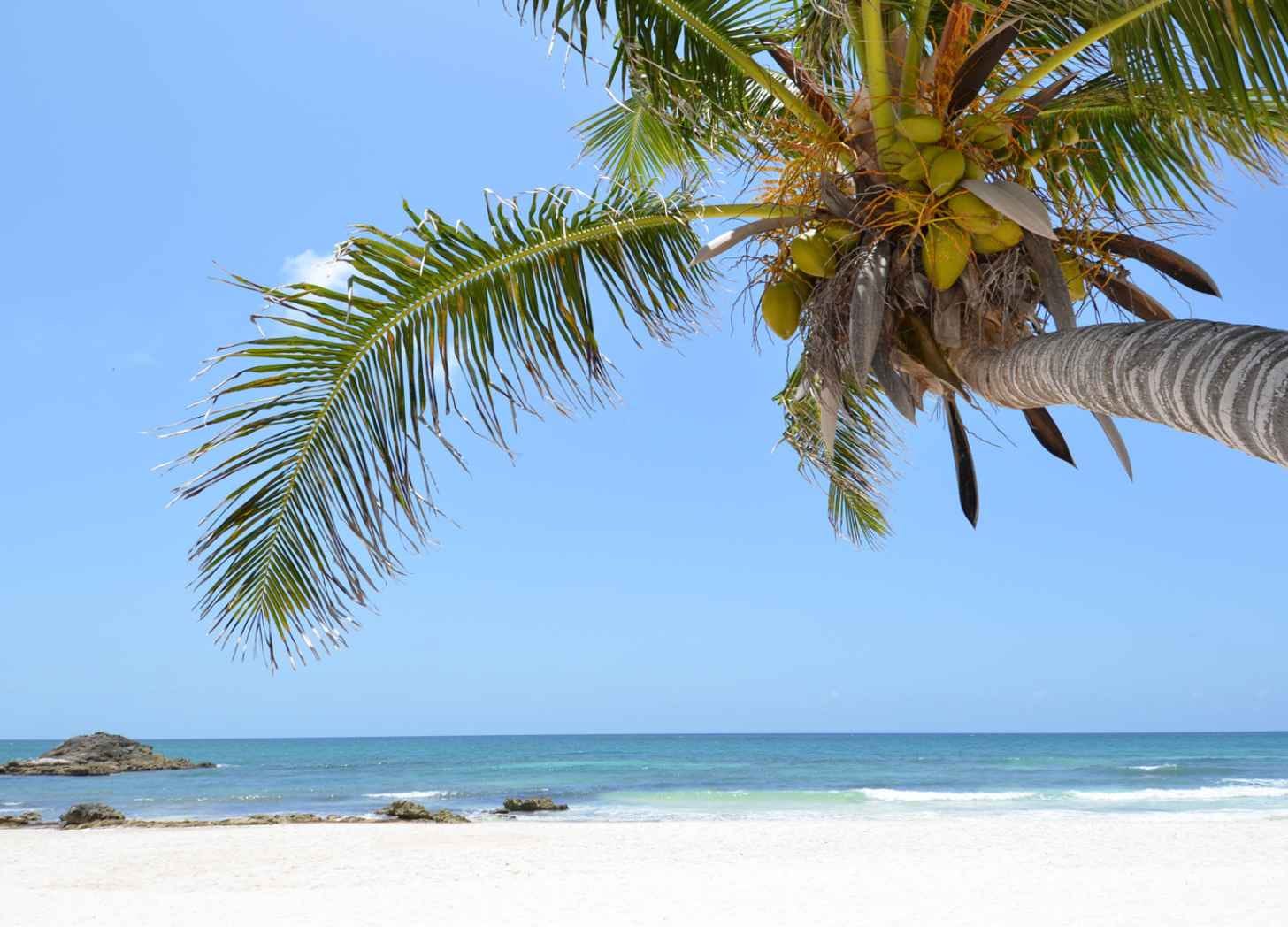
When I first came to the Riviera Maya in 1992, and for many years after, the beach was pristine. Idyllic pinkish-white sand. The waves lap on the shore. A few people. You could swing in a hammock strung between Seagrape trees. Or stroll along the waterline and catch a glimpse of a sea turtle, or a school of cuddle fish. Pure fantasy. Right? That was the illusion people came back for, time and time again.
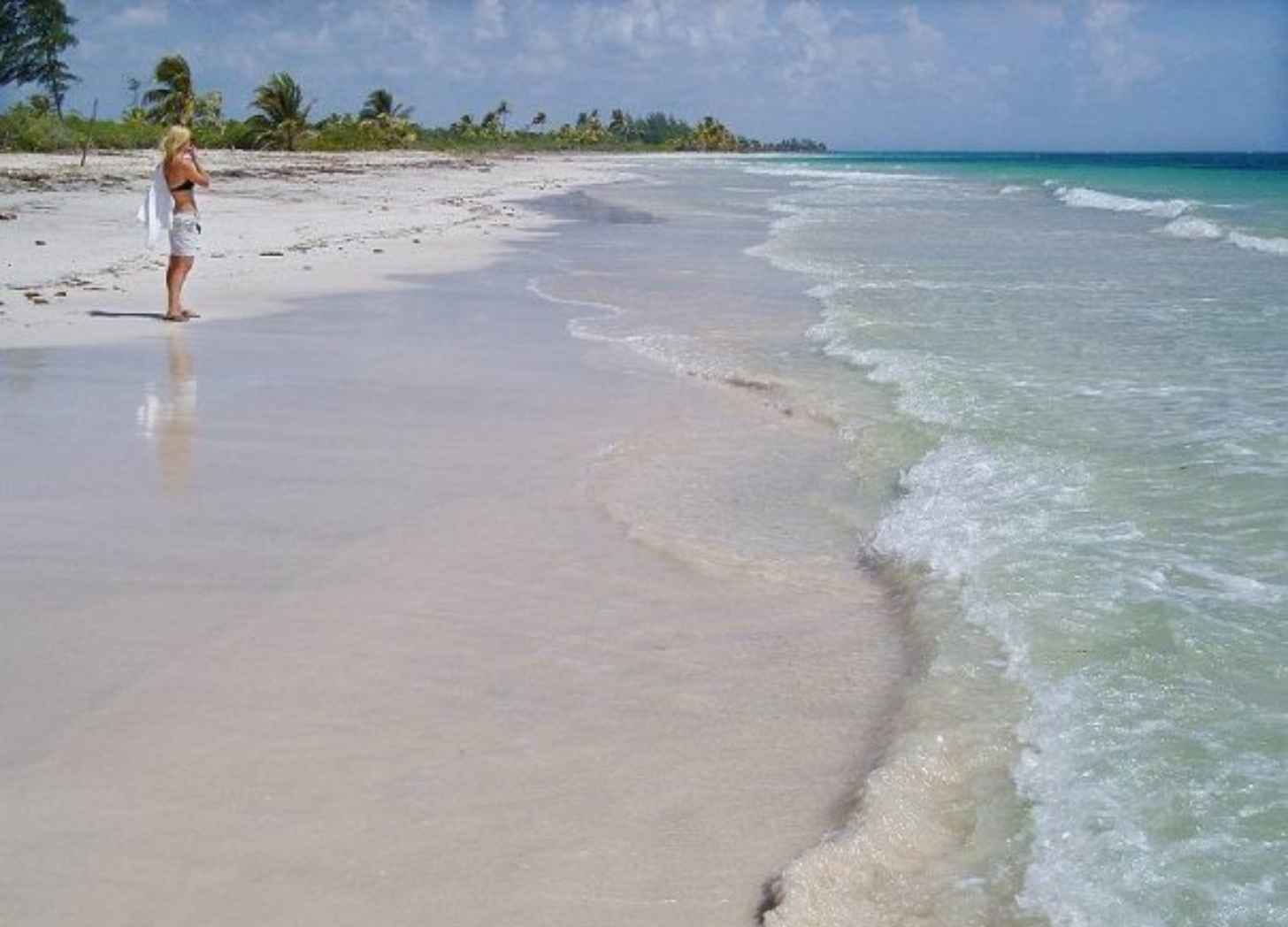
When someone booked with us, the money went to where they would stay. But what they were really paying for was that vision. A dream they wanted to live in for a week, pack-up and take home as a memory. Every property write-up and destination piece I wrote led with the beach. And what it stood for.
The first question, always, was what is the beach like. The region’s whole pitch was the beach itself.
The goose that laid the golden egg was the beach. We sold it. The business I ran was one of the first anywhere to put that coast online and take a booking from a stranger a continent away. A lot of those beach descriptions were mine to write. Some of that was the era. There weren’t jungle tours, adventure parks or much else built out. But we always knew the Riviera Maya was more than the beach. The cenotes. The Mayan culture. The places you could not find on your own. We knew drivers, restaurant operators, shopkeepers, the cenote owners, the people we trusted. Out of them, we could build a guest a day they'd never find alone.
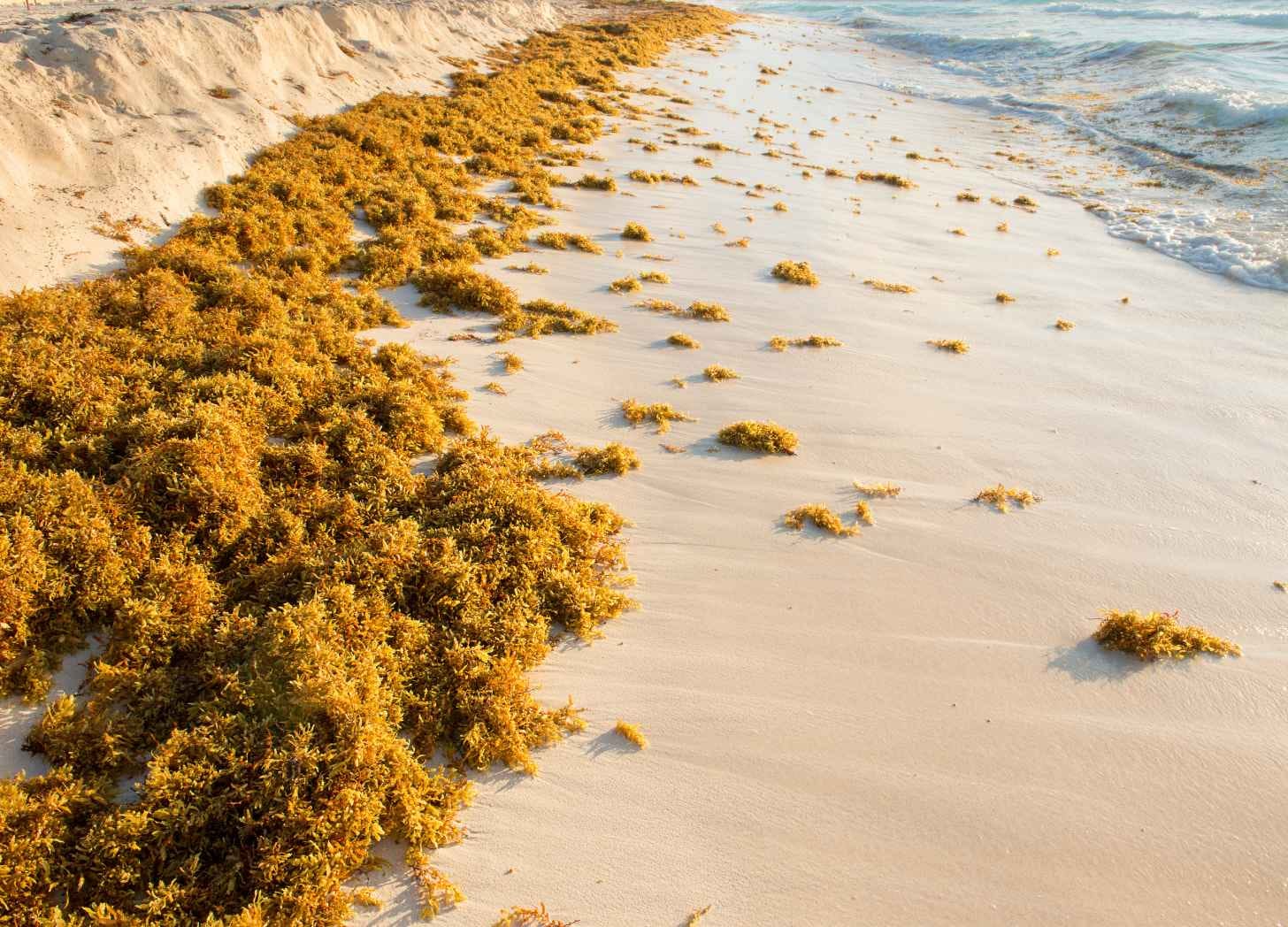
Then, around 2011, the sargassum came. A little at first. It came and went. The guests took it as a temporary thing, and mostly it was easy to clean up. Over the years it became more substantial. It got its own season. You would arrive late in the afternoon, have a beer, look at a pristine beach, thrilled to be there. The next morning there would be six inches or more washed up on the beach and another three feet of it out in the water. Beige coming in, then brown, turning crusty and black as it dried, smelling like low tide, or rotten eggs. I never liked this sea tangle touching me. Gives me the heebie-jeebies just thinking about it. Now you had to wade out through it to reach clear water, the weed scratching at your legs. Paradise turned nasty overnight. Hardest on the families with little kids. It was not only the properties. My one weekend treat was lunch at an oceanfront restaurant. I would show up to find the shoreline stacked with weed, the smell riding the wind. That one was heartbreaking. And a bit nauseating.
For years the biggest complaint I ever got was about “turtle grass.” People wanted a “swimmable” beach. A perfect beach. Perfect meant just sand, no rocks, no corals, no turtle grass. Turtle grass is a good sea grass, the sea turtles eat it. People would want a path cleared through it so they didn’t have to walk across it. Now it was this.
One family reunion I will never forget. A big multi-generational trip in a rented home, and the owner would not pay to clear the seaweed, so it kept mounting up. They had a pool. They wanted the beach. They were furious. There really isn't anyone to blame, it is like the weather, beyond our control. But we were small and agile and we worked with a lot of independent owners, so we could call in favors. We called an owner with a much more expensive villa and said, here is the situation, the seaweed is terrible, would you take them, make an offer. At the same time we told the first owner something had to be done. In the end we moved the reunion into a bigger villa. Less beach, less seaweed a huge pool, a cook, and enough amenities inside to put the trip over the top. The seaweed became a non-issue.
That was the job. Not the beach. Knowing who to call.
It was not always that dramatic. With three or four hundred properties spread along a very long coast, we could not always know which beach was affected. Beaches change even without seaweed, normal erosion based on currents and weather. You cannot predict it. But we knew the nuances. Where there is a cut in the reef for the boats, that is often where the weed comes in, so we would steer a guest further up the sand. Now the forecasts do some of that for you. NOAA and the monitoring networks can tell you where it will be heavy before you ever get on the plane, so you can pick your spot, or pick another date.
I do not think leaning on the beach was the mistake. The beach was the biggest asset, of course you lead with it. The miss, for the ones who made it, was having nothing else ready, no cenote, no obscure ruin, no pueblo, no cooking class already familiar to a guest. When the beach failed, they scrambled. The ones who had all that in their back pocket, and we did, could save a vacation.
The places making it now are the ones that were never only a beach. The resorts and boutique hotels with an identity beyond the sand, the pool, the food, the design, where the beach is secondary. The operators who sell the cenote and the ruins and the day trip. The diehards who love the area move their dates and come anyway. The places struggling are the ones with nothing to offer but the sand. And that is before everything else people have gotten wary of, the bad press, the taxis, whether they got their money's worth.
People used to ask me if a vacation rental was a good investment. I always said:
If you have to mortgage your home to buy it, the answer is no. A vacation rental is like Vegas. Sometimes you win and sometimes you lose, and you do not want to lose the roof over your head because you borrowed against it.
Some of those owners are selling now.
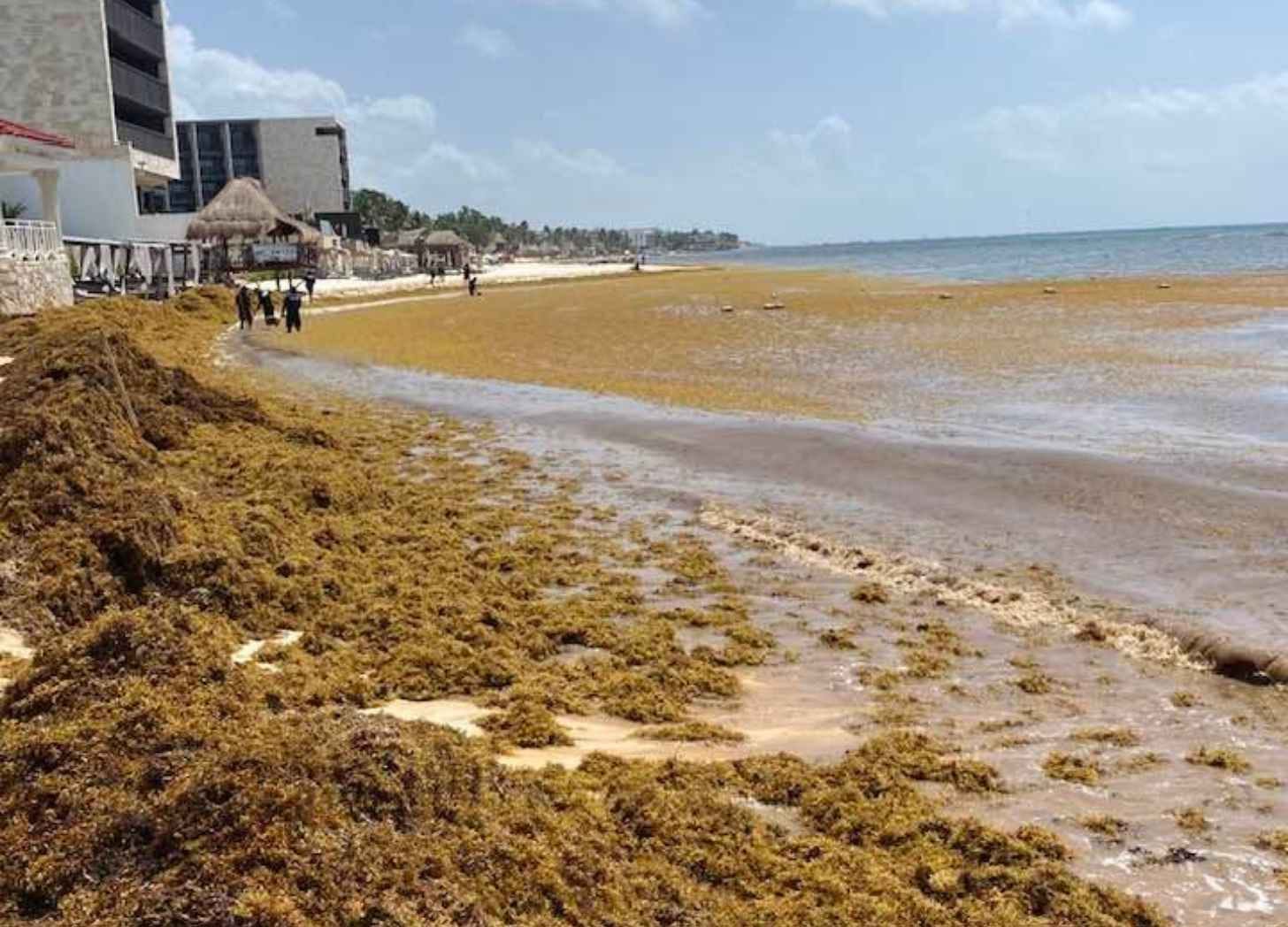
The cleanup is not cheap, and somebody always pays for it. The head of the Riviera Maya Hotel Association puts the bill at around $150 million a year, just to keep the sand visible. That is in a state where almost everyone lives off tourism. It is a lot of money to spend defending a single commodity.
This is the worst season on record, worse than last year. The Great Atlantic Sargassum Belt keeps getting bigger, fed by warmer water, farm runoff, even dust off the Sahara. It lands everywhere now, from Key West to Barbados to Puerto Rico, which is taking the worst of it. And the same rule holds all the way across: the leeward coast stays clear, the Gulf side of Florida, the sheltered side of every island, because geography decides which beach you can use, not marketing. It came early this year, January and February.
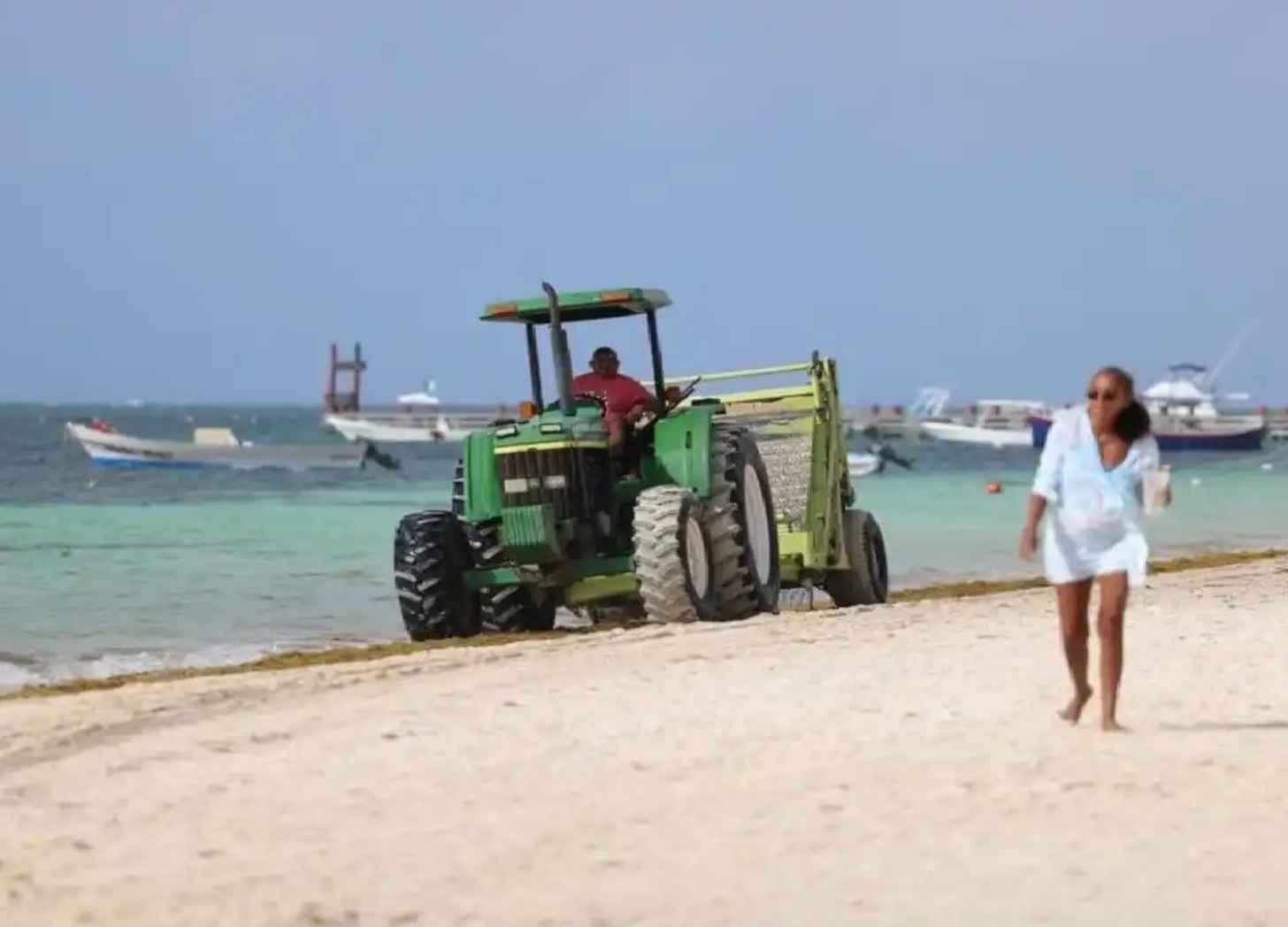
Nobody can stop it. There is no association or agency in Mexico or the Caribbean you can hold responsible for an ocean. The man who runs Tulum’s beach crews, David Buchanan, has said it plainer than any brochure ever will: they see it every day, and they cannot hide it. A researcher there, Iván Penié, said this year is beyond what the Navy, the state, and every private crew combined can clear. Everything anyone is doing, moving a family to another villa, a town dropping a barrier in the water, is a short-term solution to a long-term problem. The sargassum decides how long the season is now, and how short, and what each day looks like. Like weather.
Still, some places are handling it better than others, and it is worth asking why. Puerto Morelos, just up the coast from where I was, has stayed swimmable through weeks when Playa del Carmen and Tulum were buried. Not because of anything in a brochure. It has a reef about five hundred meters offshore, a protected marine park, that breaks the open sea before it reaches the sand, and no other big beach town on that stretch has one that close in. They backed the reef up with a couple of kilometers of floating barrier and a Navy ship that sits offshore and pulls the weed before it lands. They stayed open. Their mayor calls the beaches sargassum free. That’s a stretch. They still get it in the summer peak. But Puerto Morelos fares better than its neighbors, and it fares better because it had more than one thing going for it.
They are doing the smart thing with what they haul off, too. The hotel and restaurant owners there started a program to turn the weed into something useful, plates and packaging, fertilizer, building block, fuel. Down in the Dominican Republic an engineer built an unmanned boat that skims it off the open water before it reaches shore. In Barbados they mix it with waste from the rum distilleries and run cars on the gas that comes off it. This summer nine islands sent people to Martinique and Guadeloupe to study how the French islands handle theirs.
None of it is a cure. What it is, is spreading the bet. The places doing better are the ones that never staked everything on a clean beach, the ones with a reef, a plan, a second product, a phone full of people to call. It is what I did moving one furious family to another villa, done at the scale of a whole coast.
And it is not only a beach. Everybody in tourism is selling something the weather can take back. Ski towns sell snow, and this past winter was the thinnest in over a decade, resorts closing weeks early and a few not opening at all.
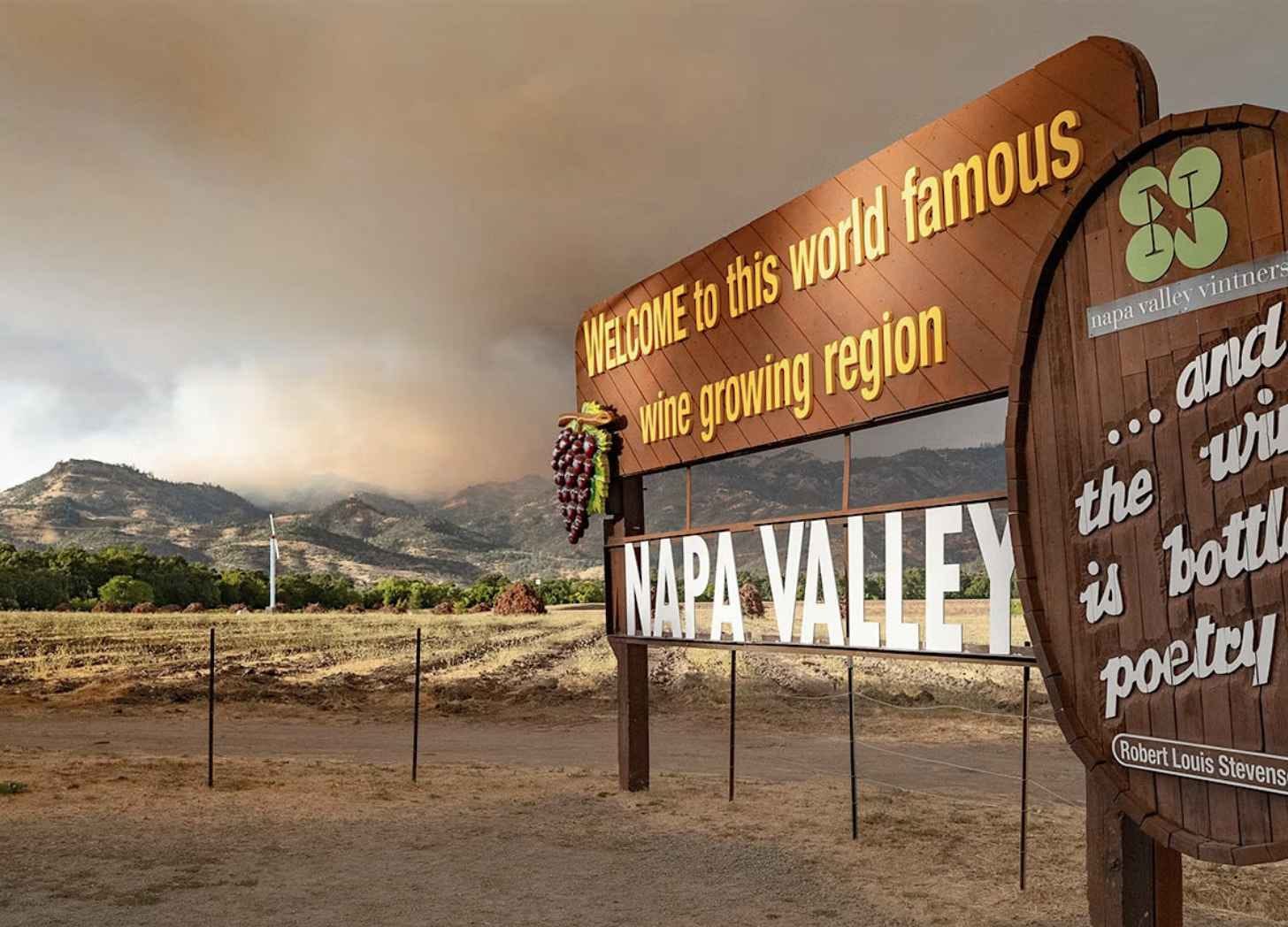
Wine country sells the vineyard and the view, and Napa and Sonoma have burned in three of the last four autumns, so harvest season and fire season are now the same season. Canada’s forests, the whole reason someone books the lodge, are on fire as I write this, over 800 fires at once. Every one of those is a beach. So wherever you are in this business, the question is not whether your thing is beautiful. It is what you sell on the morning the beautiful thing is gone, and whether you already know the answer before you need it.
I left in 2019, after twenty-seven years. I watch it now from Maine and visit time to time. It is heartbreaking. Not the business of it, though that is real. It is sad because the place is one of the most beautiful on earth. The beach and the jungle and the cenotes, the ancient culture, the people born there raising their kids. None of that should ever go away.
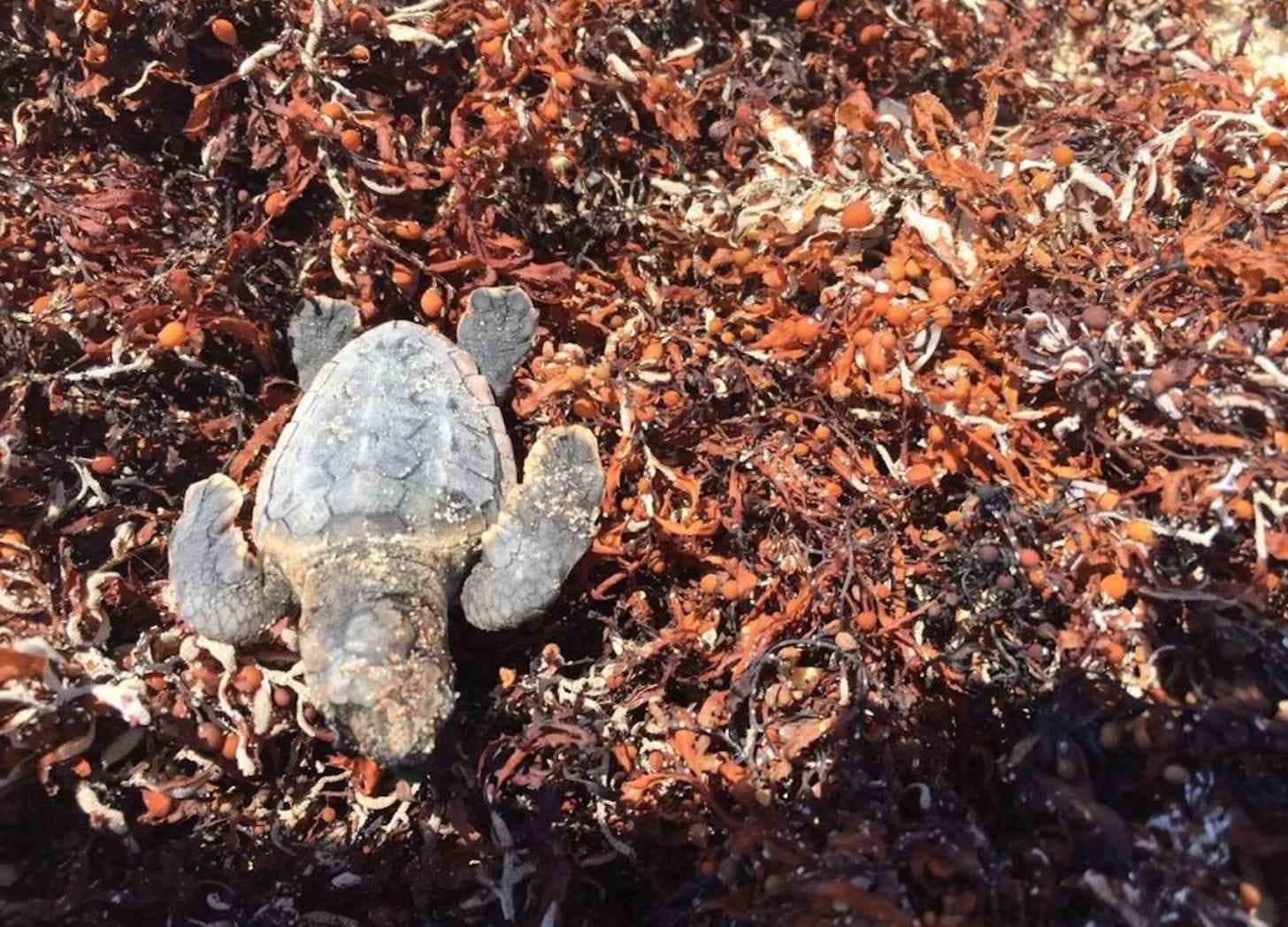
Everybody is counting the economics, and you understand why. Nobody is counting the turtles. The weed piles up on the same sand they nest on, and the hatchlings cannot get through it to the water. That was the thing I used to send people down to the beach to see. A glimpse of a turtle.
Nobody is adding up what that one costs.
You can still have a great trip
Sargassum season runs about April through October, heaviest in summer. It does not have to touch your week.
Pick a beach that faces the right way. North Cancún, Playa Norte on Isla Mujeres, Playa Mujeres, and the west side of Cozumel stay clearest. Geography beats luck.
Check it live before you book the day. Cancún is rolling out an official beach-conditions app, and sites like cancunsargazo.com and resort webcams show you the sand in real time. NOAA and the monitoring networks now forecast where it will be heaviest.
Book the place that answers straight. A property that tells you today’s beach honestly is one that will look after you all week.
Plan one inland day on purpose. The cenotes, the ruins, the reef, a pueblo. The seaweed reaches none of them, and they are half the reason to come anyway.
A few honest questions
Where does the sargassum even come from?
It took off around 2011 and has come back every year since. There is a belt of it now that stretches across the Atlantic, and it keeps growing. Warmer water, nutrients from agricultural runoff feeding the blooms, and even dust off the Sahara. Trade winds and currents carry the floating mats to Mexico, Belize, Jamaica, Puerto Rico, and parts of Florida.
When is the season, and which beaches stay clearest?
Roughly April to October, worst in summer, though 2026 came early. The clearest beaches face away from the open Atlantic.
I run a destination or a small tourism business. What do I actually do about this?
Look at your destination’s assets and resources. All of them, not just the beach. What else can a guest do in your area, nature, culture, people. Build real relationships with the people who own and run those things, so you have somewhere to send a guest when the beach fails. And plan for the bad season while you are still having good ones.
A ski town lives on snow and still asks what happens the year it does not snow. Business is not always sunny. The ones who make it already asked the what-ifs.


Great article, Kay, detailing it all. Sad but true.
Thanks for this - am pretty hep to the sargassum scene - little or none June & August in Provo & Anne walks Grace Bay from Club Med Turkoise to Turtle Cove daily plus our walk-in snorkelling anywhere from Smiths Reef to Leeward Reef - lotta beach sand scouring though !
Am the dude with the big focus on Lionfish ..